
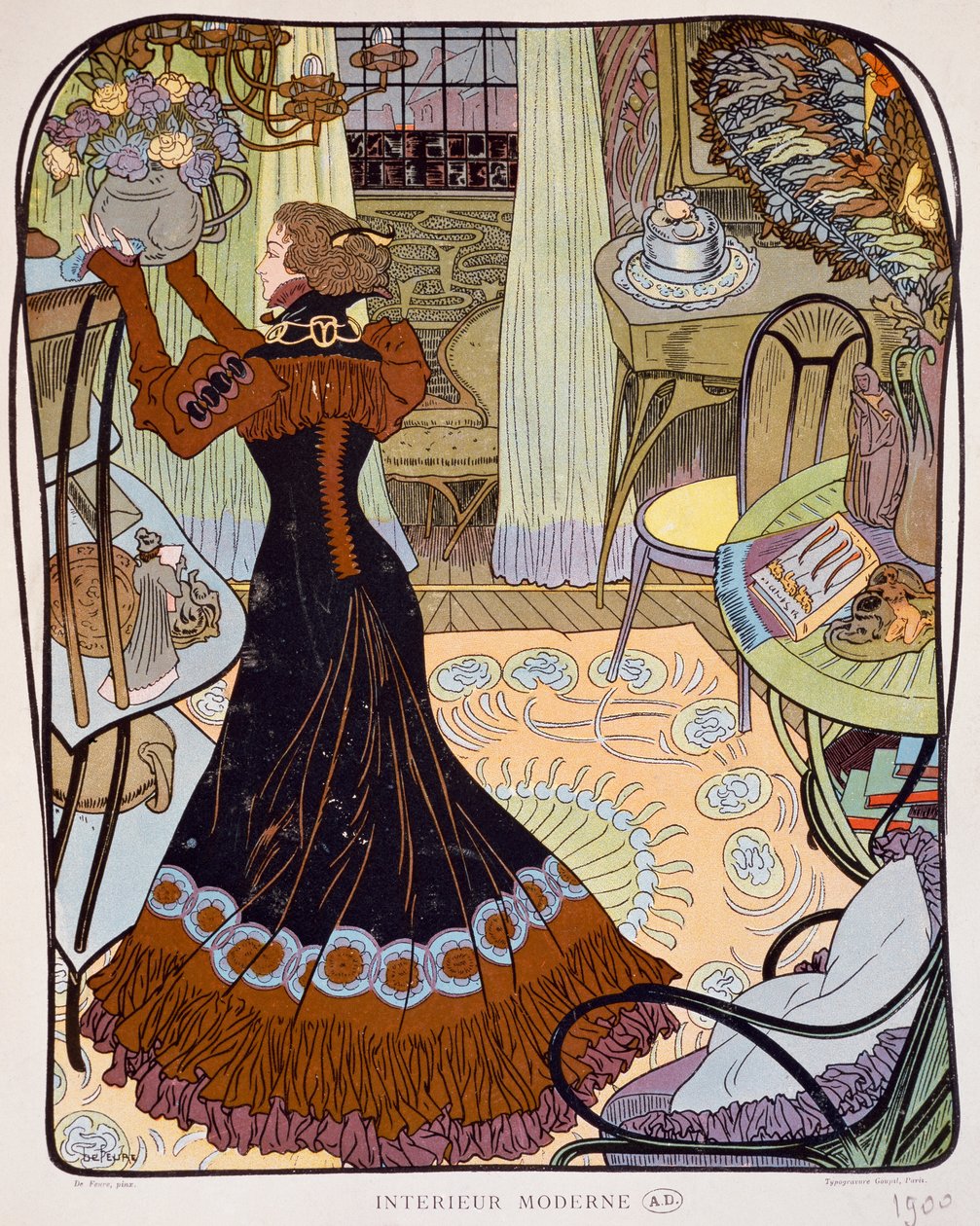
Apologies to Proust and his magnificent book which, should I live to a hundred and fifty, I may yet finish.
For the Gen Z generation, I have naught but sympathy. As I have grown older I, like Proust, have cast my mind back to long-forgotten days. I search for understanding of how whence became now, and why how the notions of a young man became the delusions and disillusions of a senescent one. The work is bittersweet as it always has been for people in all times. Yet the sweetness is in the remembering of precious things that have passed over the horizon into oblivion. Some days I wonder around my silent home feeling – almost – decohered, like a particle with no definite speed or place, caught between the impulse to believe that the world of my youth was superior to the one now menacing my windows; vigor no doubt played a role in the happier times, along with the tendency of daily life to be energetic and welled with meaningful moments – not, as now, a routine with only minute variations to a cycle of work, chores, sleep, and more of the same. In my teen and young adult years, sociability was almost entirely face-to-face, late-night landline phone calls not withstanding, the drama of being a human meant constant clashes with other members of the species: a new friend here and there, a running dialogue with a broad community, going out most weekends. I try to avoid the syndrome of an idealized past – the “get off my lawn” mentality – and essay for an objective perspective on then vs. now.
And still I wonder: what will the youth of today search for in their old age? The kids themselves are all right. This generations consumes less alcohol (N.B. but marijuana in stunning amounts), they commit fewer crimes, they show more empathy than previous generations. They are less church-going but have greater awareness of the plight of others and the general state of the world. I may idealize the years of my formation (the nineties in particular) but not with a simultaneous disdain for today’s kids; yet who are they but drones on phones, digitized to have lost all essence of concrete vitality, whose biometric data has been absorbed by the surveillance state and the Gorgons of capitalism, what provides an identity for vessels that roam the hellscape of Tiktok and Instagram, where do they locate themselves in the particle arrangement of matter, or else are they entities without a physical location at all? I’m not deliberately deploying hyperbole: this generation is the most digitally disarticulated in history, and the question is immanent in the state of things, how much of “life” is an active process, a participatory enterprise, and how much is a representation of our quintessence re-presented in pixels? The response may not arrive until these kids reach the age when they begin to look backward in earnest. Will they scroll through an iPhone photo album for photos of years past, look into their archived posts for that moment captured and not, necessarily, lived a few decades before? What will they search for?


Leave a Reply