
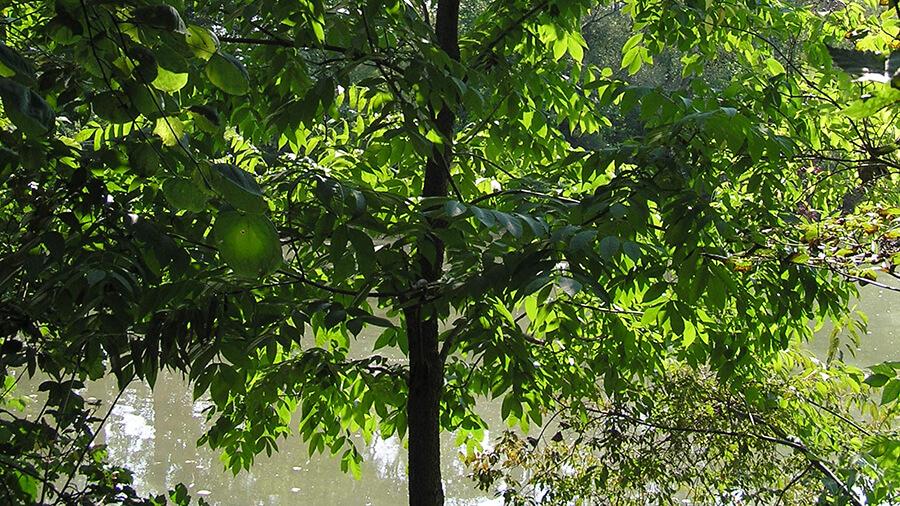
Imagine you’re standing in an American forest circa 1700. How different do you think it would be from any given forest you might visit in 2026?
The answer is – in most cases – wildly different. Living things operating on broader timescales are hard for human beings to understand. Most of us likely assume that we trees we see standing now have been there for ages prior, but the truth is only about 7% of the forests that were standing when Europeans arrived are still around today. By the 1800s, early settlers had cleared around 80% of all the forested areas in the occupied areas of the country, and in New England – my home turf – almost all of the trees are less than 150-200 years old. The complicated ecosystems of old growth forests account for something like less than 4% of the present total forested areas of the United States.
What you might see if you were set down in some quiet copse of the pre-colonized woods: umbrella-shaped American Elms, the towering American chestnut which fed whole towns and sustained entire economies of lumber and woodcraft, Franklin trees or lateleaf oaks. These once vibrant species have become functionally extinct – though some may sprout, and others exist in curated gardens or greenhouses, they’re no longer capable of attaining their full ecological potential.
The sparse, lightly canopied forests of the twenty first century look nothing like what the dense woods of the past. Human activity has drastically altered the north American boreal/mixed hardwood forests – and we’re not done yet. Not by far.
The latest casualty, it seems, will be the ash tree. The various ash species are victims of the emerald ash borer, an invasive insect believed to have arrived in North America the late nineties or early aughts on products shipped from Asia. The jeweled beetle is kept in check in its native habitat, but without natural predators the beetle has ravaged the continent’s 8 billion ash trees (all of the native species of ash tree – black, blue, green, and white – are affected, though some are more resistant than others). Introduced into any forest, the ash borer will kill every ash tree in the area within a decade. While overall impact is hard to estimate, many states report (Michigan, for example) report areas with total losses of 100%. To date, the EAB has been found in 36 states and five Canadian provinces. The EAB arrived in Connecticut in 2012, and to date has killed 96% of the ash tree population.
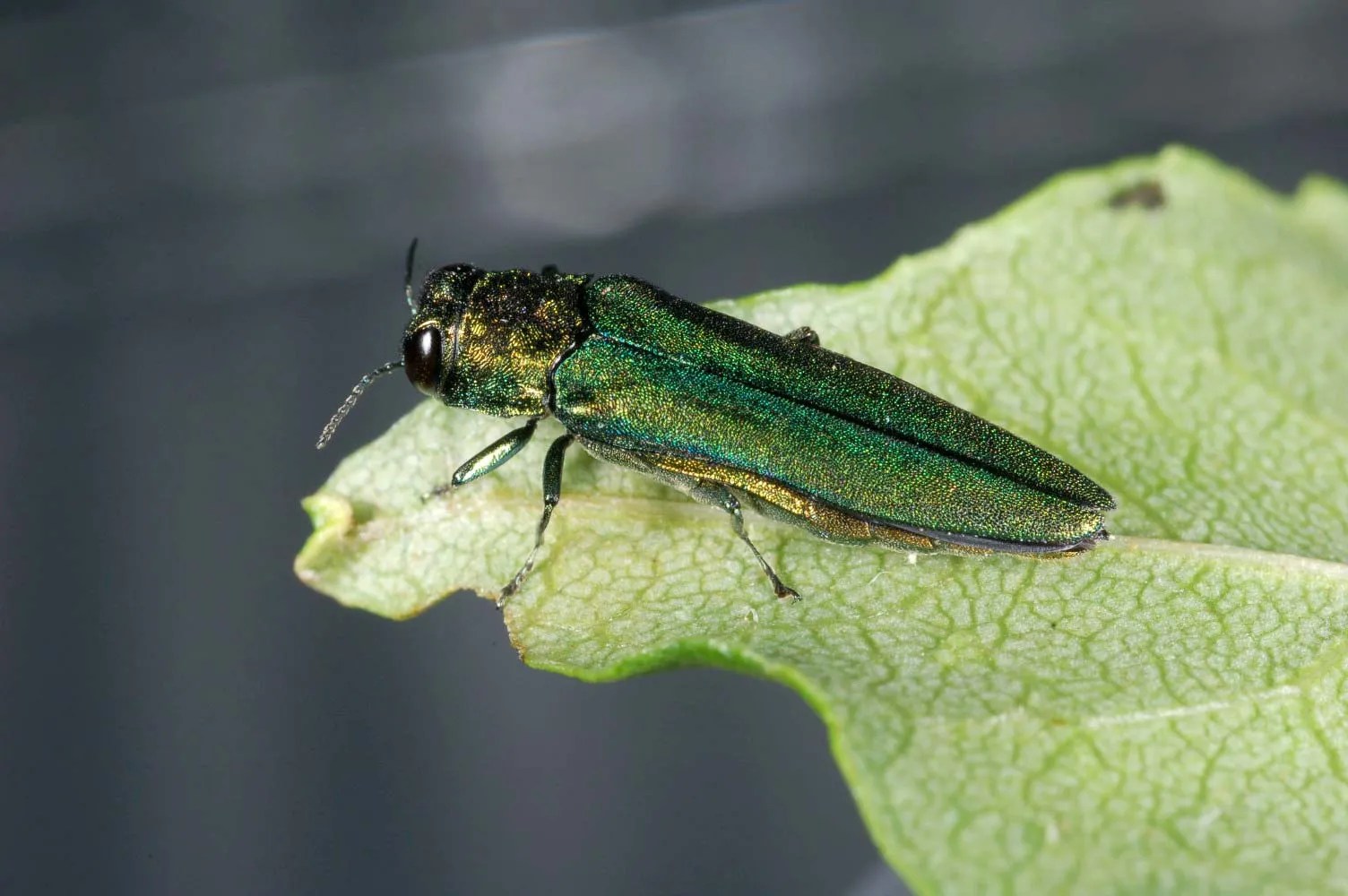
Countermeasures such as introducing a predatory wasp and chemical insecticides have accomplished little. The ash borer larva burrows deep into the cambium, xylem, and phloem of the ash tree and spends a year or two in development before emerging. The serpentine tunnels made as it feeds sever the system the trees need to funnel water and nutrients to the canopy. Because the tree itself shows little signs of malaise and the presence of the EAB is hard to discern, it’s often too late to save a population of ash trees even after we’ve detected them.
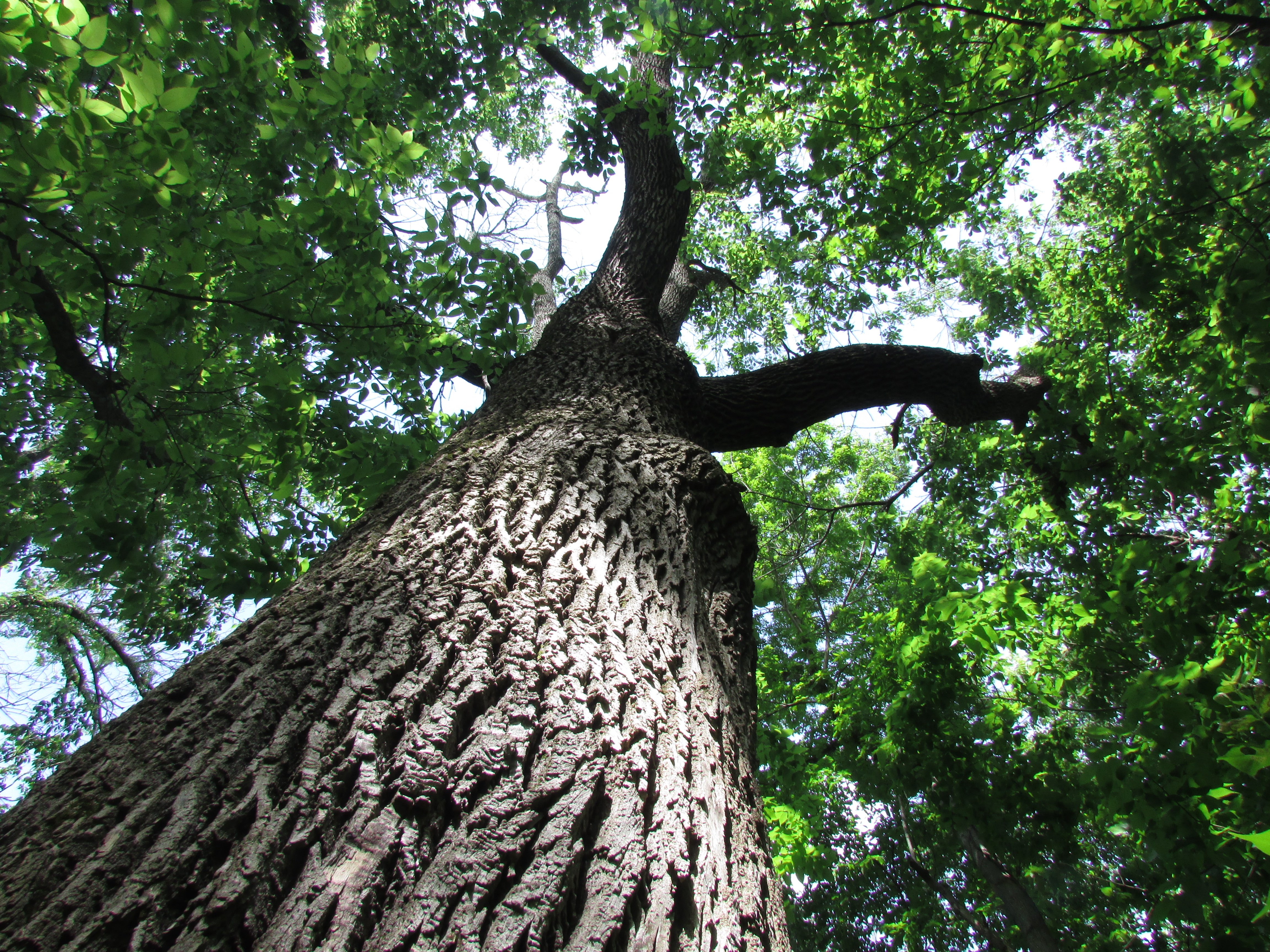
The ash tree is a distinctive member of the forest, sporting a diamond/crisscrossed bark pattern and winged samaras (seeds). Druidic lore places the ash tree above all others, naming it the “World Tree” that spans heaven, earth, and underworld, balances masculine and feminine energy, bridges past, present, and future. As such, it was always a welcome sight in my hiking endeavors – a place to sit and rest, or otherwise touch the bark and have fleeting contact with the flowing spirit of inspiration and knowledge (what druids call Awen). While Connecticut’s forests were only about 3% ash trees, their presence is missed. Many are the times I have come across a dead ash marked for removal by the DEEP, and these encounters were mournful indeed.
My state has also seen forest decimation by way of the spongy or gypsy moth, another invasive species with a particular affinity for oaks – though during heavy outbreaks, they will gnaw the leaf complement of many other trees down to nothing. Once infrequent, gypsy moth infestations have become more common with severe and prolonged droughts.
It’s reasoned that humans have been largely passive in the face of climate destruction because its effects generally occur slowly. We in the west also happen to live where climate catastrophe will come last, a type of privilege that allows us to continue to consume and expand recklessly while equatorial and desert-adjacent people bear the brunt of the side-effects.
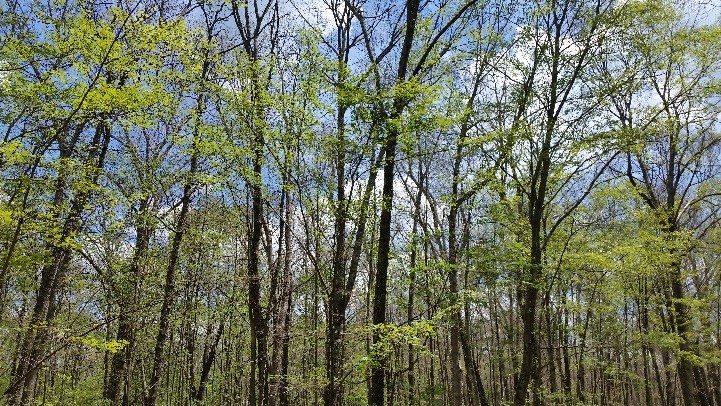
But if you’re a frequent hiker or outdoorsperson in any American state the effects are easy to perceive. The loss of ash trees, the gypsy moth infestations, mammalian species endangerment and dwindling bird populations – all of these create a quieter, less verdant experience from our perspective on the trails. It is estimated that 96% of the world’s remaining mammals are humans and livestock, and only 4% wild. Ecosystems that once teemed with animals are, after eons of geological history, made mute by human avarice.
Will the ash tree survive, or meet the same end as the chestnut and elm? The current prognosis is grim; mature ash trees are expected to be close to extinct within a decade, with a few rare individuals surviving. Sprouts will endure but never become adult trees. Much of course depends on how much effort we invest into countermeasures, but as in all things environmental the momentum just isn’t there on a large enough scale. I suspect as many do that it will take undeniable global catastrophe before humans have enough collective will to respond.
A dirge for the ash, once the font of inspiration, felled by blinkered human minds.

 Official Website of Jace Paul
Leave a comment